
Why Payload Processing Is Moving from Ground to Orbit
Earth observation launches are nearly tripling, but downlink capacity per spacecraft hasn't kept up. Deciding what to process in orbit is now a hardware decision made years before launch.
Back to top
The AMD Zynq® UltraScale+™ represents a powerful, flexible chip with a multitude of features such as APUs, RPUs, GPU, MACs, and FPGA fabric. This single chip offers a fully integrated device for a multitude of applications, ranging from consumer devices to various heterogeneous computing applications to industrial Edge computing. However, with such a powerful chip comes high complexity. As a design engineer, how do you avoid critical design mistakes and ensure your success so that you can harness the power of the technology?
You choose a specialist in electronic product and system development, with an incredible breadth of expertise, who has 20+ years of partnership experience with AMD, of course.
Read on for six reasons to choose Fidus for AMD Zynq UltraScale+ design and development help and best practices implementation.

Having completed close to 50 Zynq UltraScale+ designs over the last couple of years, Fidus is ideally placed to offer support for any of our customers’ design challenges. We’ve worked on designs utilizing small devices to the largest 19EG part, including storage systems, video streamers, and workload accelerators to name just a few. This means we never start from zero on a Zynq UltraScale+ design; our team has the essential expertise like schematic blocks, thermal strategies, and code ready to reuse. Our experience and existing tools lower your risk and speed your time to market.
Visit our Portfolio page for examples of our work with AMD Xilinx here or clicking an image below.




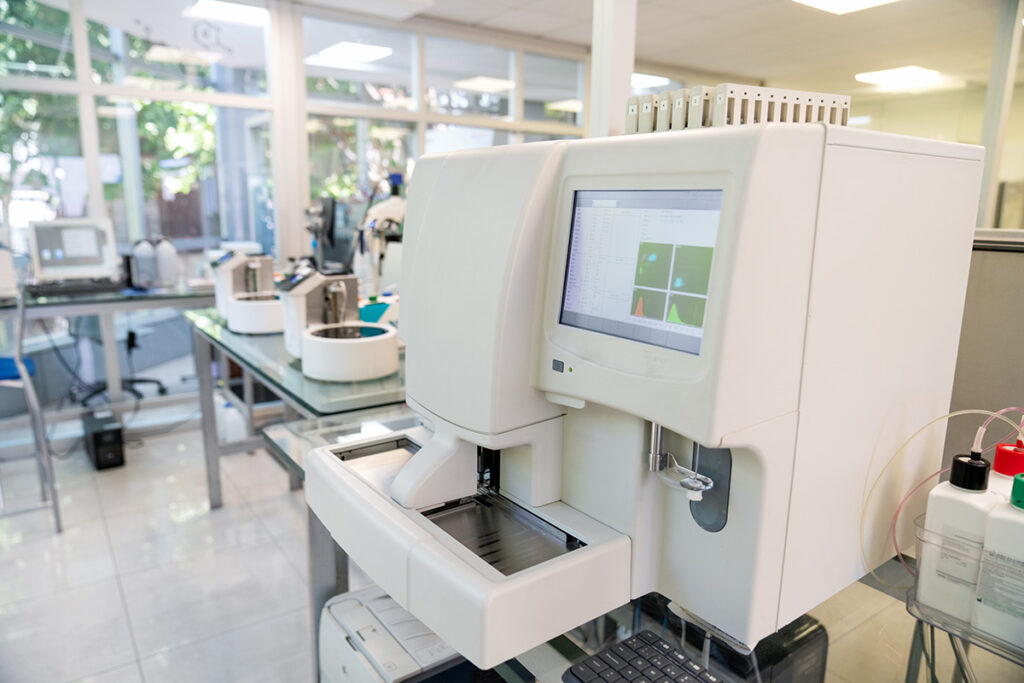
Did you know? A simple Zynq UltraScale+ design would require around 5 power rails, with a complex design requiring more than 17.
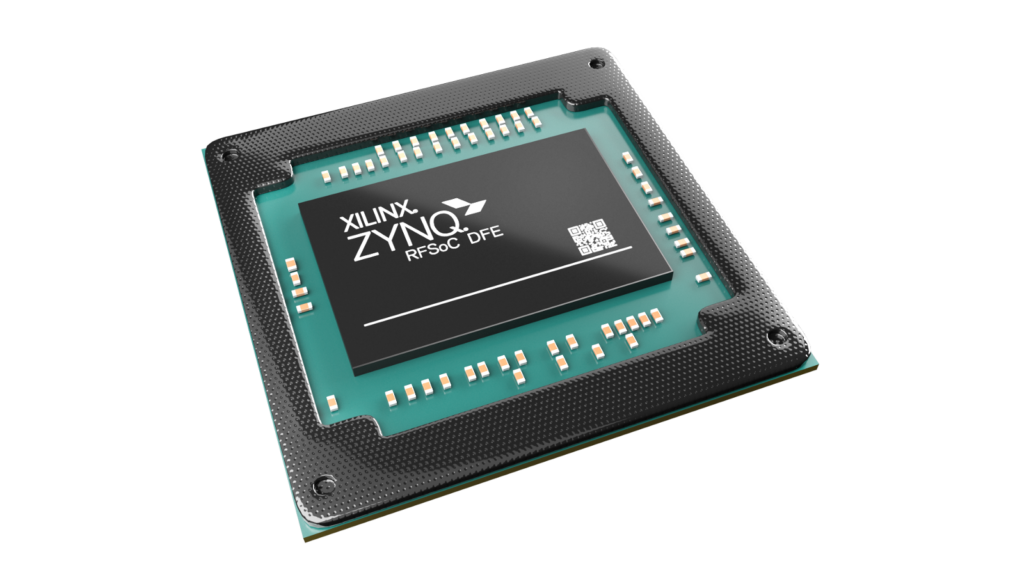
With all the necessary skill sets under one roof, Fidus is well versed in optimizing the potential of Zynq UltraScale+. Its’ development requires expert knowledge in hardware, FPGA, embedded software, signal and power integrity, and mechanical and thermal design, all of which are in house at Fidus. This means you can outsource every element of the design, rather than having to opt for a piece-meal approach. When outsourcing, it’s always less complicated, less risky, and less effort to choose a provider who can do it all, equally well. Fidus isn’t a hardware house with some FPGA knowledge, or an FPGA house that can do some software design. We’ve built large, dedicated teams for every single discipline.
AMD Zynq UltraScale+ development requires:
Fidus’ electronic system design and development expertise extends to all of these complex technologies. You can read directly about our services helping projects building with AMD Zync Ultrascale+ here.
Fidus can typically get Linux booted within the first two days
of receiving a custom Zynq UltraScale+ design back from manufacturing.
We own and maintain a fully-stocked laboratory at each of our design centers, enabling us to bring up and test these complex systems. It also means you don’t have to invest hundreds of thousands of dollars building out your lab to integrate and debug your design. Having worked on so many Zynq UltraScale+ developments, we’ve designed and built small specialized pieces of IP and lab equipment. This makes us incredibly efficient at bringing up and testing new designs, and our test plans and reports prove your design will work.

As a long-established company with a large team, Fidus has the dependability and breadth of experience to support your design moving forward. Having delivered over 4000 projects with more than 400 clients since 2001, we have a track record of excellence with high levels of repeat business. Our designers tend to stick around too, meaning that your next design is likely to have the same designer you liked and the one who already knows your business.
We never leave our clients hanging, especially with something as complicated as Zynq UltraScale+. We’re always there to guide and teach you about the latest technology. In fact, we’ve developed a ton of resources related to AMD Zynq UltraScale+ – all here here in our AMD Zync Ultrascale+ Resource design tool kit.
In 2011, after passing a massive business, technical, and process audit, Fidus became the North American inaugural AMD Xilinx Premier Design Services Member (now known as AMD Adaptive Computing Partner) – the third in the world with the designation.
This isn’t just a badge; it means we get early access to training alongside the Xilinx field team, and our teams are aligned in their goals. We have fast access to support if design or development issues arise, meaning you end up with a powerful, reliable, on-time design.
Outsourcing a complex business function – like Zynq UltraScale+ development – is an excellent strategy as it maximizes business efficiency, reduces expenses and provides access to highly skilled workers. With Fidus being based in North America, you gain these benefits without the risk of time and language barriers, or losing control of the design, process, product or IP. As we discuss, near-shoring gives you the best of both worlds because it offers lower cost but close collaboration and most importantly, in-depth technical experts.
While technology like Zynq UltraScale+ may be powerful, the idea of designing and developing with it can be daunting. However, with the right know-how and support it doesn’t have to be. Fidus has invested years in working with Xilinx, creating a plethora of Zynq UltraScale+ designs, as well as bringing them up and testing them, making us the ideal partners for your next Zynq UltraScale+ design.
Need a second opinion with your AMD Zynq Ultrascale+ project?
Contact Us

Earth observation launches are nearly tripling, but downlink capacity per spacecraft hasn't kept up. Deciding what to process in orbit is now a hardware decision made years before launch.

When should you outsource heterogeneous computing design? Keep the CPU, FPGA, GPU and NPU architecture call in-house, and get outside validation before board layout, while changing the partition is still cheap.

An industrial vision customer wanted RFSoC converter performance in a 65x65mm module. It shipped at 65x90mm. Where that extra 25mm went, why the power solution set the form factor, and what a board you can barely probe teaches you at bring-up.

Trust us to deliver on time. That’s why 95% of our customers come back.