Back to top

R&D, Tools & Laboratories

How we lead embedded systems development?
Fidus Systems Inc. invests continuously in research, engineering tools, and laboratory infrastructure to support custom embedded systems design and services. Our engineering teams apply these capabilities across FPGA development, high-speed hardware design, embedded software engineering, signal and power integrity analysis, and system validation. This infrastructure enables our teams to design, test, and validate complex embedded systems with confidence before manufacturing or deployment.
Engineering infrastructure for Complex Embedded Systems
Research & Development
Continuous research allows Fidus engineers to stay aligned with evolving embedded system technologies. Our teams expand expertise across system architecture, FPGA technologies, high-speed interfaces, embedded software development, and signal and power integrity analysis. This investment ensures we remain prepared to support both emerging technologies and proven platforms used across aerospace, semiconductor, telecommunications, industrial, medical, and AI systems. Ongoing technical development also enables our engineers to refine design methodologies and improve system reliability across complex client programs.

Engineering Tools
Delivering complex embedded systems requires professional design and verification environments. Fidus engineers work with industry-standard engineering toolchains used throughout the semiconductor and embedded systems industries.
These environments support system architecture development, FPGA design, hardware and PCB development, embedded software engineering, and signal and power integrity simulation.
Our engineering tool environment typically supports:
- Hardware and PCB design platforms
- FPGA and ASIC development environments
- Signal and power integrity simulation tools
- Embedded software development and debugging tools
- Verification and validation frameworks
Design Validation & Risk Reduction
Engineering infrastructure plays a critical role in reducing development risk. Fidus integrates simulation, analysis, and laboratory testing throughout the design process. Signal integrity analysis, power integrity modeling, and system-level testing help confirm that designs meet performance expectations before manufacturing. This approach supports our first-time-right delivery philosophy, helping reduce redesign cycles and improve overall program predictability.
Laboratory Infrastructure
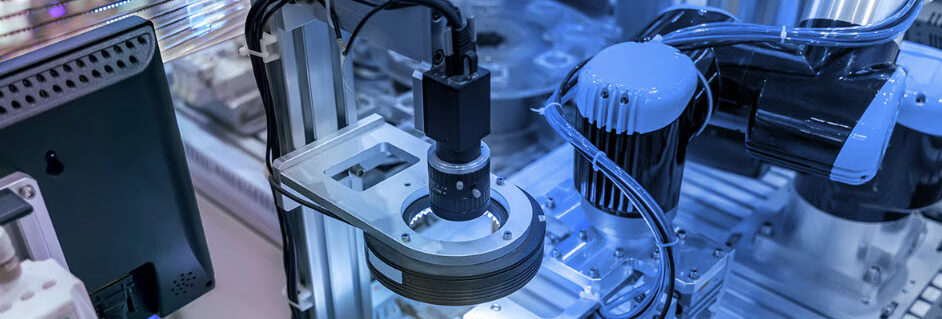
Fidus maintains laboratory environments designed for high-performance embedded system validation and bring-up.
Our labs enable engineers to evaluate system performance, validate high-speed interfaces, and debug complex hardware platforms before manufacturing or deployment.
Typical laboratory activities include:
- High-speed interface validation
- Signal and power integrity measurement
- System characterization and validation
- Hardware bring-up and debugging
- Pre-production testing

High-Speed PCB Design Enabled by Proven Manufacturing Partners
Our team had the pleasure of visiting TTM Technologies in Toronto recently — and what a visit it was. Our relationship with this facility runs deep. Through its years as Coretec, then DDI, and now TTM, it has been a trusted partner throughout Fidus’s existence. Some things have changed over the decades, but the exceptional quality, capability, and commitment to clients have not. TTM enables us to design and deliver the most complicated PCBs for the highest speed designs with unwavering confidence in quality and schedule.
Frequently Asked Questions

Fidus engineers work with industry-standard CAD, simulation, and verification tools used for FPGA design, hardware development, embedded software engineering, and signal and power integrity analysis. These tool environments support efficient system architecture development and help identify technical risks early in the design process.
Laboratory validation allows engineers to test hardware platforms under real operating conditions. At Fidus, lab environments support high-speed interface validation, signal integrity measurement, system bring-up, and performance verification before manufacturing.
Ongoing research and technical development help engineers stay aligned with evolving technologies and design methodologies. This allows Fidus teams to apply proven design practices while adapting to new architectures, improving system reliability and reducing development risk.
Yes. Fidus supports complex embedded platforms that include FPGA design, high-speed hardware development, embedded software engineering, signal and power integrity analysis, and system validation.